Puyallup River Flood Damage
River flood water, silt and saturated building materials removed from valley-floor homes and buildings, then dried to meter readings.
River water over a valley floor, a crawl space filling in a wet February, a roof that gave up in March, or a supply line that split overnight. Call (833) 490-5225 at any hour. A crew is dispatched as soon as one is free, and the emergency stage is explained before any equipment runs.
Fastest: call (833) 490-5225. Or send this and we call you back.
Local weather drives activity here: heat, humidity and rain change what shows up week to week.
Puyallup Water Damage Restoration takes water damage calls for Puyallup, Pierce County and the surrounding valley and plateau towns, 24 hours a day. A crew is sent out as soon as one comes free. Water is removed first, the wet structure is then dried to measured readings, and photos and logs are kept as the work goes.
Water calls here start in a small number of places. Rain that keeps coming from November into March finds the weak part of a roof or a crawl-space vent. The river valley has its own history of high water. On the plateau above it, the usual culprit is plumbing: a water heater that let go, a washer hose that split, a toilet supply that failed while nobody was home. The source changes what the first hour looks like, but the order of work is always the same: stop the water, take it out, then dry what it soaked until a meter says the job is finished.
Before a crew reaches you, there are four useful things to do. Close the main shutoff if the water is coming from a pipe or an appliance. Keep the power off in any room with water near an outlet, a panel or a furnace. Lift what you can lift dry. Photograph each wet room from the doorway, before anything is moved. Those photographs are worth more than they look, and the crew will ask about them on the phone.
Pick a service for symptoms, process and typical cost, or call and describe what you hear and see.
River flood water, silt and saturated building materials removed from valley-floor homes and buildings, then dried to meter readings.
Standing water pumped from under the house, wet insulation and barrier taken out, and joists and subfloor dried from below.
Water that entered through the roof is traced through the attic, the wet insulation and ceiling are dealt with, and the structure is dried.
Water released by a failing or ruptured heater is extracted, affected flooring and wall material handled, and the structure dried.
Contaminated water removed under containment, affected porous materials taken out, surfaces cleaned and treated, then the structure dried.
Wet floors are mapped with moisture meters and dried from above and below, so boards and subfloor are saved where the readings allow.
River water that reaches a valley-floor house in Sumner or Pacific has to be pumped, cleaned and dried, in that order.
Pumps move the water that still flows; extractors pull the rest out of carpet, pad and crawl-space soil before any fan goes in.
A ceiling stain is the end of a leak, not the start of one. The water above it has to be released, traced and dried.
Appliance leaks hide behind and underneath the machine, so the unit comes out before anyone can say how far the water went.
Mold is a moisture problem wearing a different name. Stop the water, remove what cannot be cleaned, dry the assembly, keep it dry.
In a shared building one leak is several losses at once, and the slow part is rarely the drying.
Cleanup and drying after a wet-season storm pushes rain through a roof, a wall, a window or the ground into a building.
Drying framing, subfloor, drywall and concrete back to measured targets after a water loss, with readings recorded at every visit.
Cleanup after a pressurized water line splits, from getting the supply shut off to drying the rooms it reached.
Cleanup after a toilet overflows or a supply line to a toilet, sink or fixture fails, including the rooms and units below.
Finding a slow leak inside a wall, under a floor or in a crawl space, with the least opening up, before the damage spreads.
Water damage work in shops, offices, industrial units and valley-floor warehouses, planned so the building can keep trading where possible.
The line is staffed around the clock, weekends and holidays included. A call at two in the morning about water running across a hallway reaches someone who can talk you through the shutoff and the power before anything else.
Drying equipment works on moisture held inside materials, not on a flooded floor. Standing water is pumped or vacuumed out first, which is also what stops it wicking further up the walls.
A meter on the framing, the subfloor and the drywall sets the target, and equipment stays until the numbers reach it. Damp valley air can make that take longer than a homeowner expects.
River and storm water arrives with silt and whatever the yard or the street held. It gets its own steps, and a sewer backup through a floor drain gets stricter ones again.
Dated photographs, moisture logs and a list of what came out are kept from the first visit, so you are not reconstructing the loss from memory weeks later.
The emergency stage is described and agreed before equipment runs, and anything added after that, such as opening a wall the meter says is wet, is described before it happens.
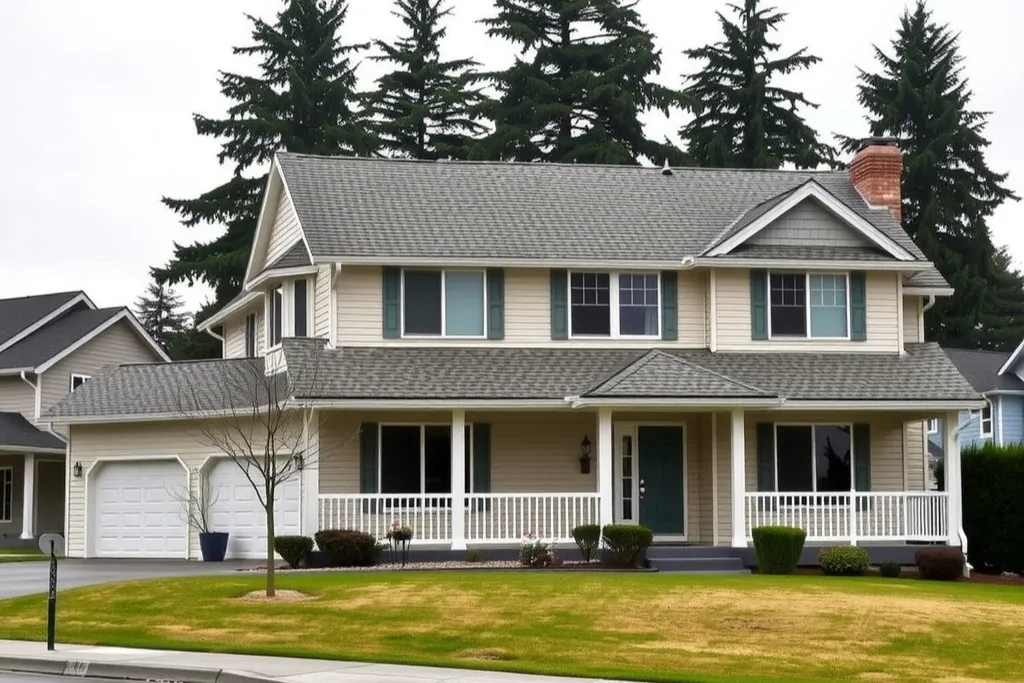
If a pipe, hose or appliance is the source, close the main valve and stay clear of wet outlets. Then call the number at the top of this page. You will be asked where the water is coming from, whether it has stopped, and which rooms are wet.
Do not step into water near an outlet, a breaker panel or a furnace, and keep children and pets out of the room. If you cannot confirm the power to that area is off, wait.
A technician walks the wet rooms, marks how high the water reached and takes meter readings. That walk decides whether the water is clean, outside water or sewage, which in turn decides what can be dried and what has to go.
Standing water leaves first. Anything the meter says cannot be dried where it sits is removed, once you have said yes. Drying then runs to measured targets, with readings and photographs handed over at each visit.
Close the main water valve if a pipe or appliance is the source, cut power to wet rooms if the panel can be reached without standing in water, move small items up, and photograph every wet room. Then call. A phone call before any cleanup starts protects both the house and the claim.
A split washer hose or a failed water heater tank can empty a great deal of water onto a floor before anyone notices, and closing the main is the only step that stops the volume. On the plateau, that valve is often at the meter box near the street or on an outside wall close to the heater. On an older house down in the valley it may be in a crawl space or a utility room. Locate yours while everything is dry, and check which direction closes it.
Water that came in from outside is a different problem. It carries silt and whatever it crossed on the way, and it is treated as contaminated from the start. Leave the mop alone, keep a household vacuum out of it, and leave carpet and pad where they are until a crew has read them.
The valley floor carries a large river system that has been reshaped for more than a century. A 1906 log jam pushed the White River south into the Stuck River, flooding Puyallup and Tacoma, and the lower Puyallup was later channelized behind levees and riprap. High water is part of the record here.
Mud Mountain Dam on the White River, built by the Army Corps of Engineers and completed in 1948, is the only flood-control storage on the Puyallup River system. Everything else is levees and channel work: by the early 1970s roughly 45 river miles of the lower system had been channelized. Pierce County has since listed further levee work, including a right bank levee at Pacific and a setback project in the Sumner area, planned or built.
The gauge record shows what the valley is capable of. A peak of 48,200 cubic feet per second was measured at Puyallup on January 8, 2009, the fourth-highest reading on record behind 1933 and two events in the 1980s and 1990s. Pierce County also records moderate flooding on the lower Puyallup in November 2014 and again in October, November and December 2015. For a house on the valley floor, that history is the reason a crew treats river water as dirty water without being asked.
Puyallup gets roughly 35 to 40 inches of rain a year, with most of it falling between November and March. Months of steady wetting, rather than one storm, is what finds a tired roof, a blocked gutter, a cracked crawl-space vent well or a yard that drains back toward the foundation.
The housing here is mostly suburban stock from the 1980s and 1990s with an older core nearer the river, and the two age groups fail differently. Newer homes on the plateau, out along Meridian Avenue and around the South Hill Mall, tend to call about roofs, attics, water heaters and appliance lines. Older houses closer to the valley floor add crawl spaces, cast-iron and galvanized plumbing, and floors that have been wet before.
The wet season also changes the drying work itself. When the outside air is already damp for weeks on end, opening windows does nothing useful, and the job depends on sealing the area and letting dehumidifiers pull the moisture out. That is the usual reason a drying plan here runs a day or two longer than a homeowner was expecting.
Stop it, pump it out, dry the building, repair last. Equipment cannot dry a flooded room, and new drywall or flooring laid over wet framing seals moisture in where nobody can see it. Working in order also keeps the insurance record clean and the repair scope honest.
Extraction comes first, then the meter decides where to look. Drywall that feels dry on the face can be holding water in the cavity behind it, and a wall is opened only where the readings say so, with a photograph taken before anything is cut.
Plumbing, roofing, drainage and finish work are separate trades and separate quotes, and they come after the structure reads dry. Keeping the drying scope apart from the repair scope means you can take the repair to whoever you like, and compare it properly. The pricing page sets out what belongs to which stage.
ZIP 98373, 98374, 98375
ZIP 98371
ZIP 98404
ZIP 98360
ZIP 98338
ZIP 98402, 98403
ZIP 98321
ZIP 98467
ZIP 98390
ZIP 98391
ZIP 98391
ZIP 98444
ZIP 98409
ZIP 98499, 98496, 98497, 98498, 98439
ZIP 98003, 98023, 98063
ZIP 98388
ZIP 98424
ZIP 98354
ZIP 98387
ZIP 98047
ZIP 98385
ZIP 98001, 98002
ZIP 98407
ZIP 98022
Puyallup, WA · 25 km service radiusCall (833) 490-5225
We also cover many smaller communities across Pierce County. Check your ZIP.


Tell us what's happening and we'll tell you honestly whether it's a quick fix, and what water damage restoration should cost.
This guide prints no price.
Contractors in Washington register with the Department of Labor and Industries under chapter 18.27 of the Revised Code of Washington before they bid, advertise or work.
Lahar planning in the Puyallup valley is about evacuation: sirens, routes and school drills, with a window measured in tens of minutes.
Someone picks up 24 hours a day, right through the year. A crew heads out as soon as one comes free, and nobody promises you a time of arrival, because a phone line is in no position to promise one. What does start immediately is the safety advice on the call itself.
Yes. Water that came off the river, out of a saturated yard or down through a storm-damaged roof is handled as contaminated and removed with its own steps. Pipes, water heaters, appliances and sewer backups are all ordinary calls here too.
Puyallup and South Hill, the valley towns of Sumner, Fife, Edgewood, Milton and Orting, the plateau around Bonney Lake and Lake Tapps, Tacoma and Lakewood, and the King County side at Pacific, Auburn, Federal Way and Enumclaw. The full list is on the areas served page.
Only do the safe things: stop the source, kill the power to wet rooms, lift small items and take photographs. Leave carpet, pad, drywall and insulation where they are. Pulled out early, they stop being evidence, and a crew cannot tell your insurer what was wet if it has already gone to the curb.
No. A water damage crew takes the water out and dries the building. The pipe goes to a plumber, the roof to a roofer and the yard drainage to whoever does that work, each quoted separately. You are told which trade you need at the start, not at the end.
Yes. Shops, offices, rental units and the valley-floor warehouses in Sumner, Fife and Auburn call for the same reasons a house does, and one unit's leak reaching the next is a common one. See apartment and condo water damage or commercial and warehouse water damage.